
How Much Cat Food Per Day: Essential Feeding Guide
Cats are wonderful pets. Feeding them the right amount of food is very important. You may wonder, how much cat food per day is ideal for your furry friend? This article will help you understand the best ways to feed your cat.
Why Proper Feeding is Important
Feeding your cat the right amount is crucial. It helps them stay healthy and happy. Too much food can make your cat overweight. Too little can make them weak and ill.
Factors That Affect Food Amount
Several factors influence how much food your cat needs. These include:
- Age
- Weight
- Activity Level
- Health Condition
- Type of Food
Age Of The Cat
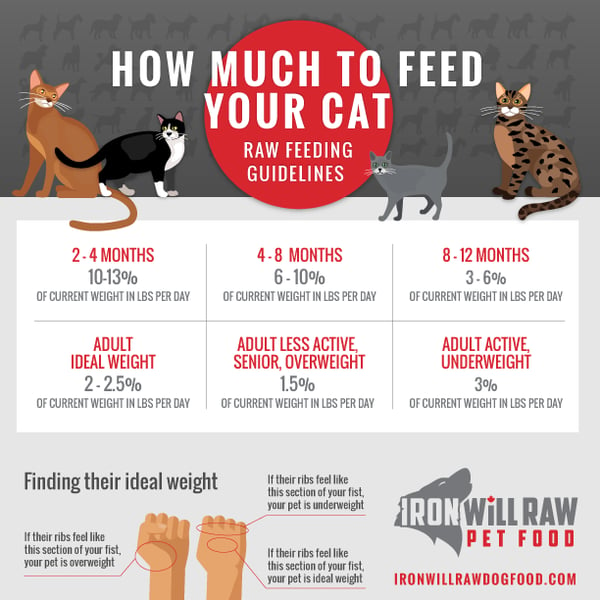
Kittens need more food than adult cats. They are growing and need extra nutrients. Older cats may need less food. They are usually less active.
Weight Of The Cat
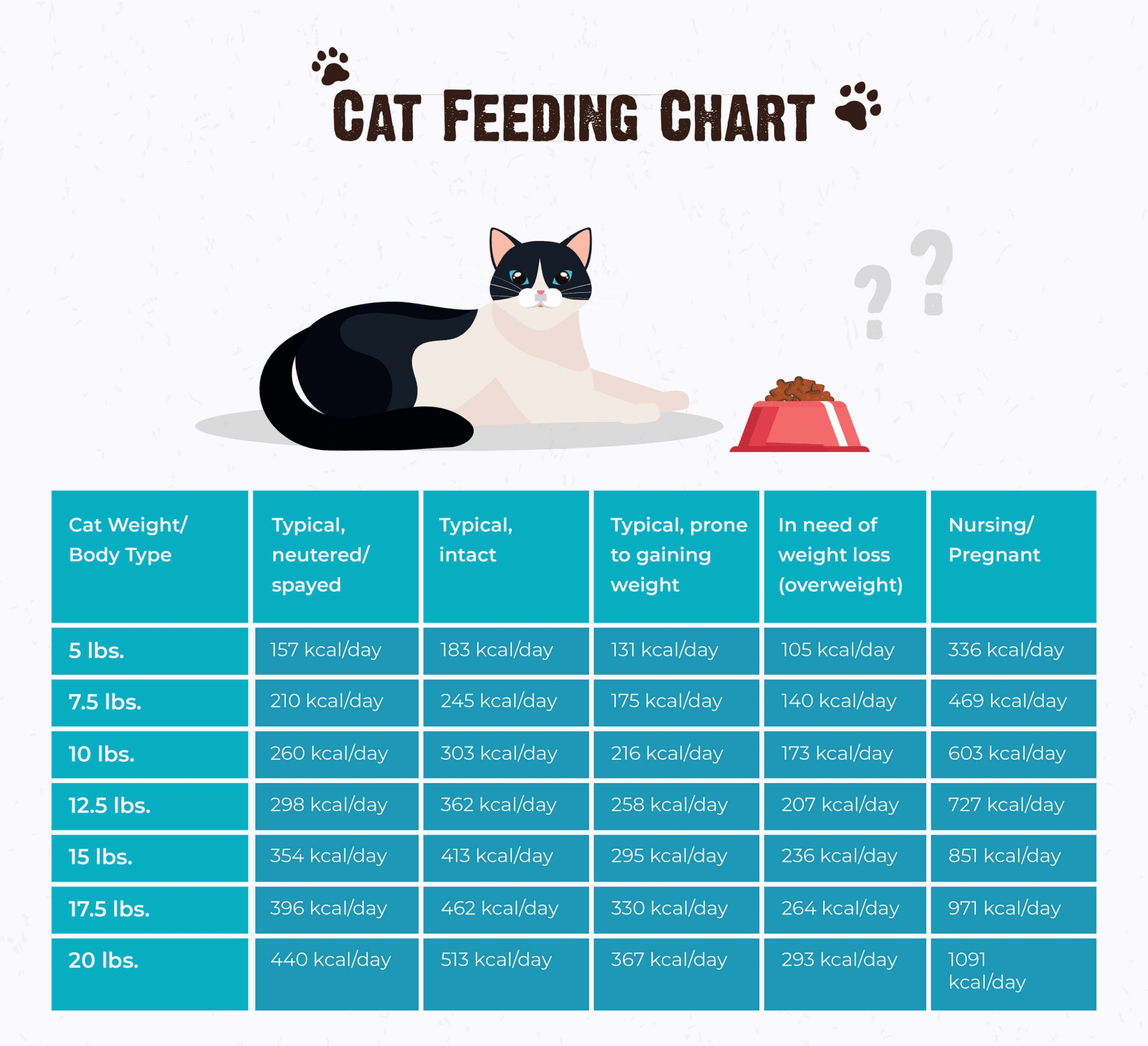
Overweight cats need fewer calories. Underweight cats need more food to gain weight. It is essential to maintain a healthy weight for your cat.
Activity Level
Active cats burn more calories. They need more food to maintain their energy. Lazy cats need less food. They do not burn as many calories.
Health Condition
Cats with certain health conditions need special diets. Always consult your vet for advice. They can recommend the best food for your cat.
Type Of Food
Dry food and wet food have different calorie content. Dry food is more calorie-dense. Wet food contains more water. You may need to feed more wet food to meet calorie needs.
General Feeding Guidelines
Here are some general guidelines for feeding cats. Remember, these are only guidelines. Always adjust based on your cat's needs.
For Kittens
Kittens need 3-4 meals a day. They should eat kitten-specific food. It is rich in nutrients for growth. Feed them as much as they want in each meal.
For Adult Cats
Adult cats need 2 meals a day. They should eat adult cat food. Measure their food to avoid overeating. A typical adult cat needs about 200-250 calories a day.
For Senior Cats
Senior cats need 2-3 meals a day. They should eat senior cat food. It is easier to digest. Measure their food carefully. They may have different calorie needs.
How to Measure Cat Food
Measuring cat food is important. It helps you control their calorie intake. Follow these steps to measure your cat's food:
- Check the food label for serving size.
- Use a measuring cup or kitchen scale.
- Serve the food in a clean bowl.
- Adjust the amount based on your cat's needs.
Feeding Schedule
A feeding schedule helps regulate your cat's diet. It prevents overeating and helps digestion. Here is a simple feeding schedule:
| Time | Meal |
|---|---|
| 8:00 AM | Breakfast |
| 6:00 PM | Dinner |
Kittens and senior cats may need an extra meal. You can add a lunch meal at 12:00 PM if needed.
Signs of Overfeeding
Overfeeding your cat can lead to obesity. Watch for these signs:
- Weight gain
- Less active
- Difficulty breathing
- Visible fat around the ribs
Signs of Underfeeding
Underfeeding your cat can make them weak. Watch for these signs:
- Weight loss
- Weakness
- Less shiny coat
- Visible bones
Credit: ironwillrawdogfood.com
Tips for Healthy Feeding
Here are some tips to keep your cat healthy:
- Provide fresh water always.
- Feed a balanced diet.
- Avoid giving human food.
- Consult your vet regularly.
Credit: rawznaturalpetfood.com
Frequently Asked Questions
How Much Cat Food Should I Feed Daily?
The amount depends on age, weight, and activity. Generally, 1/4 to 1/2 cup of dry food is typical.
How Do I Determine Cat Food Portions?
Check the feeding guidelines on the food package. Consult your vet for personalized advice based on your cat's needs.
How Often Should I Feed My Cat?
Most cats do well with two meals per day. Some prefer smaller, more frequent meals.
Can I Overfeed My Cat?
Yes, overfeeding can lead to obesity. Follow feeding guidelines and monitor your cat's weight regularly.
Conclusion
Feeding your cat the right amount of food is very important. It keeps them healthy and happy. Consider their age, weight, activity level, health condition, and type of food. Follow the general guidelines and consult your vet for advice. By doing so, you will ensure your cat's well-being and longevity.

Viola R. Daigle
I'm Viola R. Daigle, a dedicated Internet Marketer. I work with WarriorPlus as a Vendor and Affiliate, and I’m also an Affiliate on JVZoo and Legendary Marketer. My passion is to provide honest and detailed reviews of Internet Marketing (IM) products and software. I love helping people choose the right tools and strategies to grow their online business with confidence.
