
Why Can I Hear My Cat Breathing: Causes & Solutions
Cats are usually quiet creatures. Sometimes, you may hear your cat breathing. This can be a concern for many pet owners. Let's explore why you can hear your cat breathing.
Understanding Cat Breathing
Normally, cats breathe quietly. Their breathing should not be noticeable. If you can hear your cat breathing, it might indicate a problem.
Normal Cat Breathing
A healthy cat breathes silently. Their breaths are regular and calm. You should not hear any noise.
Abnormal Cat Breathing
If you hear your cat breathing, something might be wrong. It could be a sign of an underlying issue.
Common Reasons for Audible Cat Breathing
There are several reasons why you might hear your cat breathing. Here are some of the most common causes:
1. Respiratory Infections
Respiratory infections are common in cats. These infections can cause your cat to breathe noisily. Look out for sneezing, coughing, and nasal discharge.
2. Allergies
Cats can have allergies too. Allergens like pollen, dust, or certain foods can cause noisy breathing. Watch for itching, sneezing, and watery eyes.
3. Asthma
Feline asthma can make breathing difficult. If your cat has asthma, they may wheeze or cough. They might also have trouble breathing.
4. Obstructions
Sometimes, objects can block a cat's airway. This can cause noisy breathing. Check for anything stuck in your cat's throat or nose.
5. Heart Disease
Heart disease can affect your cat's breathing. It can cause fluid to build up in the lungs. This makes it harder for your cat to breathe.
6. Obesity
Overweight cats may have trouble breathing. Extra weight can put pressure on the lungs. This can cause noisy breathing.
7. Stress Or Anxiety
Stress can affect a cat's breathing. If your cat is stressed, they might breathe noisily. Look for other signs of stress, like hiding or aggression.
Symptoms to Watch For
It's important to monitor your cat's health. If you hear your cat breathing, watch for these symptoms:
- Coughing
- Sneezing
- Nasal discharge
- Wheezing
- Labored breathing
- Open-mouth breathing
- Loss of appetite
- Lethargy
- Blue or pale gums

Credit: www.wikihow.com
Credit: www.westparkanimalhospital.com
When to See a Vet
If you hear your cat breathing, you may need to see a vet. Here are some signs that it's time to make an appointment:
- Your cat is breathing noisily for more than a day.
- Your cat shows other symptoms like coughing or sneezing.
- Your cat has trouble breathing or breathes with an open mouth.
- Your cat is lethargic or not eating.
- Your cat's gums are blue or pale.
What to Expect at the Vet
When you take your cat to the vet, they will perform a thorough examination. Here's what you can expect:
Physical Exam
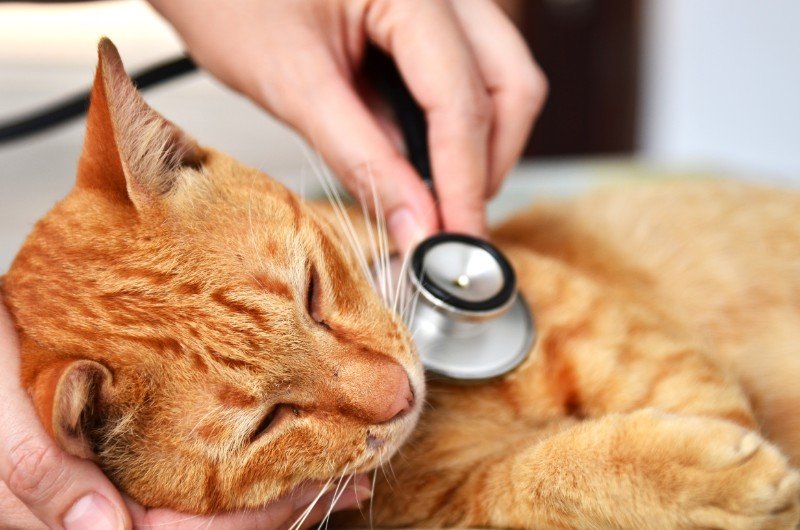
The vet will check your cat's overall health. They will listen to your cat's heart and lungs.
Diagnostic Tests
The vet may recommend some tests. These could include blood tests, X-rays, or an ultrasound. These tests help identify the cause of the noisy breathing.
Treatment Plan
Based on the diagnosis, the vet will create a treatment plan. This might include medication, lifestyle changes, or further tests.
Home Care Tips
Here are some tips to help your cat breathe easier at home:
- Keep your home clean and free of dust.
- Use air purifiers to reduce allergens.
- Ensure your cat maintains a healthy weight.
- Provide a stress-free environment for your cat.
- Follow any treatment plans prescribed by the vet.
Frequently Asked Questions
Why Is My Cat Breathing Loudly?
Loud breathing in cats can indicate respiratory issues or stress. Consult your vet for a proper diagnosis.
Should I Worry About My Cat's Breathing?
Yes, irregular or labored breathing can signal health problems. Seek veterinary advice immediately.
Can Stress Cause My Cat To Breathe Heavily?
Yes, stress can cause heavy breathing in cats. Ensure your cat feels safe and comfortable.
What Are The Signs Of Cat Respiratory Distress?
Signs include rapid breathing, wheezing, and open-mouth breathing. Contact your vet if you notice these symptoms.
Conclusion
Hearing your cat breathe can be concerning. It's important to understand the possible causes. Monitor your cat's symptoms and seek veterinary care if needed. With proper care, your cat can breathe comfortably again.

Viola R. Daigle
I'm Viola R. Daigle, a dedicated Internet Marketer. I work with WarriorPlus as a Vendor and Affiliate, and I’m also an Affiliate on JVZoo and Legendary Marketer. My passion is to provide honest and detailed reviews of Internet Marketing (IM) products and software. I love helping people choose the right tools and strategies to grow their online business with confidence.
